Case Study

A. Background
Breeding sows are regularly exposed to on-farm stressors throughout the duration of their production period. The impact of such stressors may differ for primiparous and multiparous sows, as sows could learn to cope with stressors as they gain experience with them. If parity affects stress in sows, it may also impact their prenatal offspring through differential maternal stress.
In addition to parity, litter size is another potential factor involved in stress of sows and their offspring. Larger litters may be a source of discomfort for gestating sows, which can result in intrauterine growth restriction of piglets.
B. Objectives
This work investigates how parity and litter size affect stress levels in sows and their offspring.
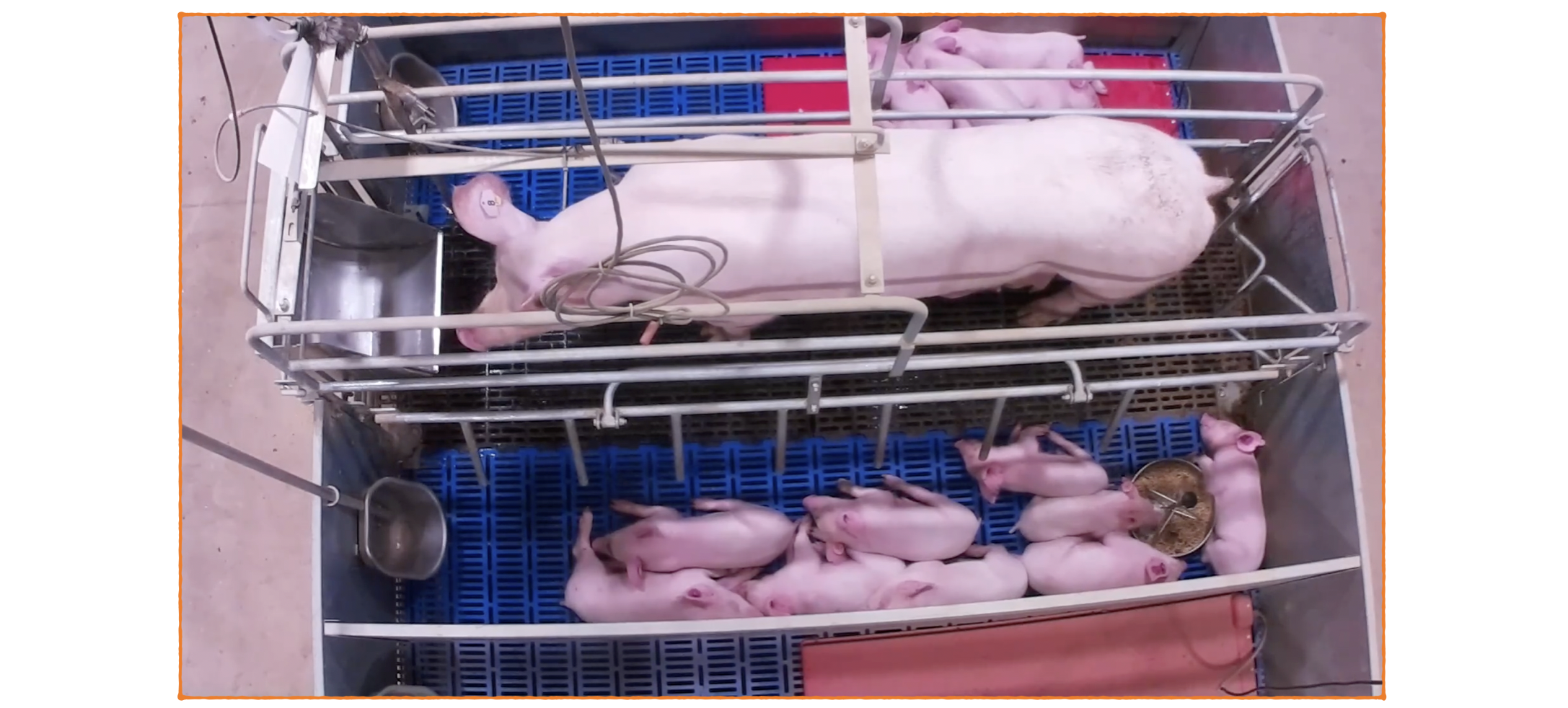
C. Experiment Setup
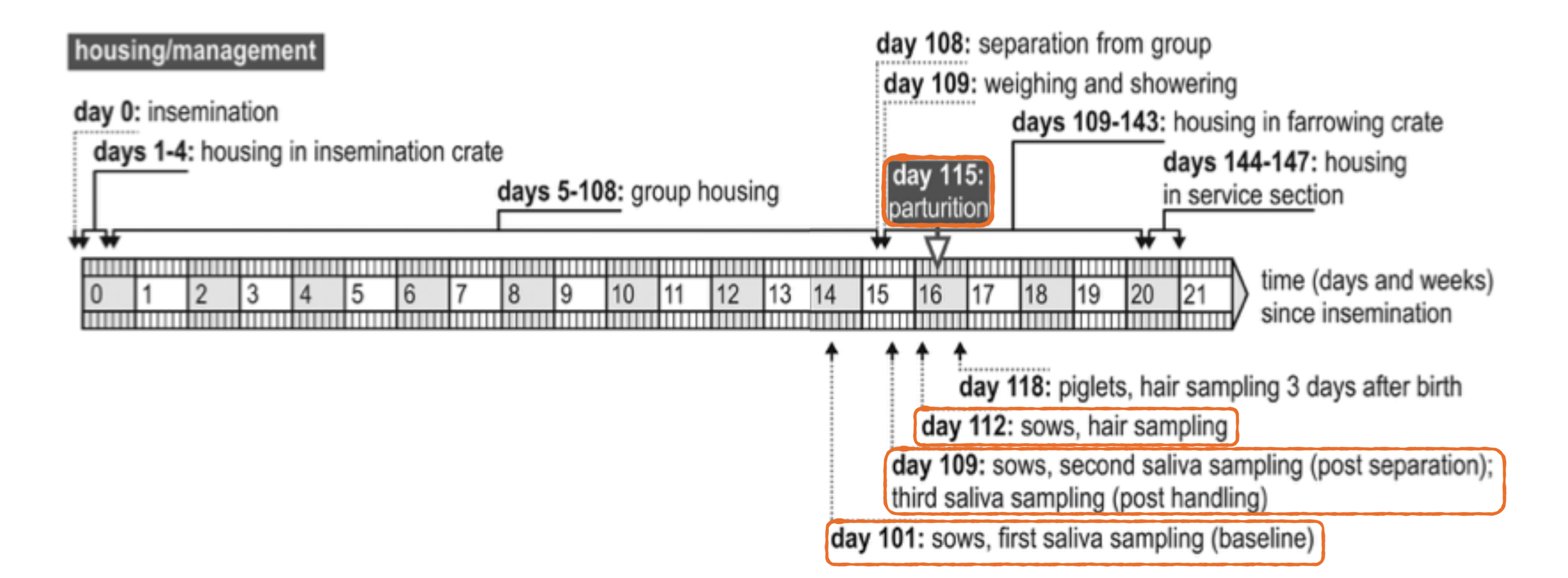
Timeline
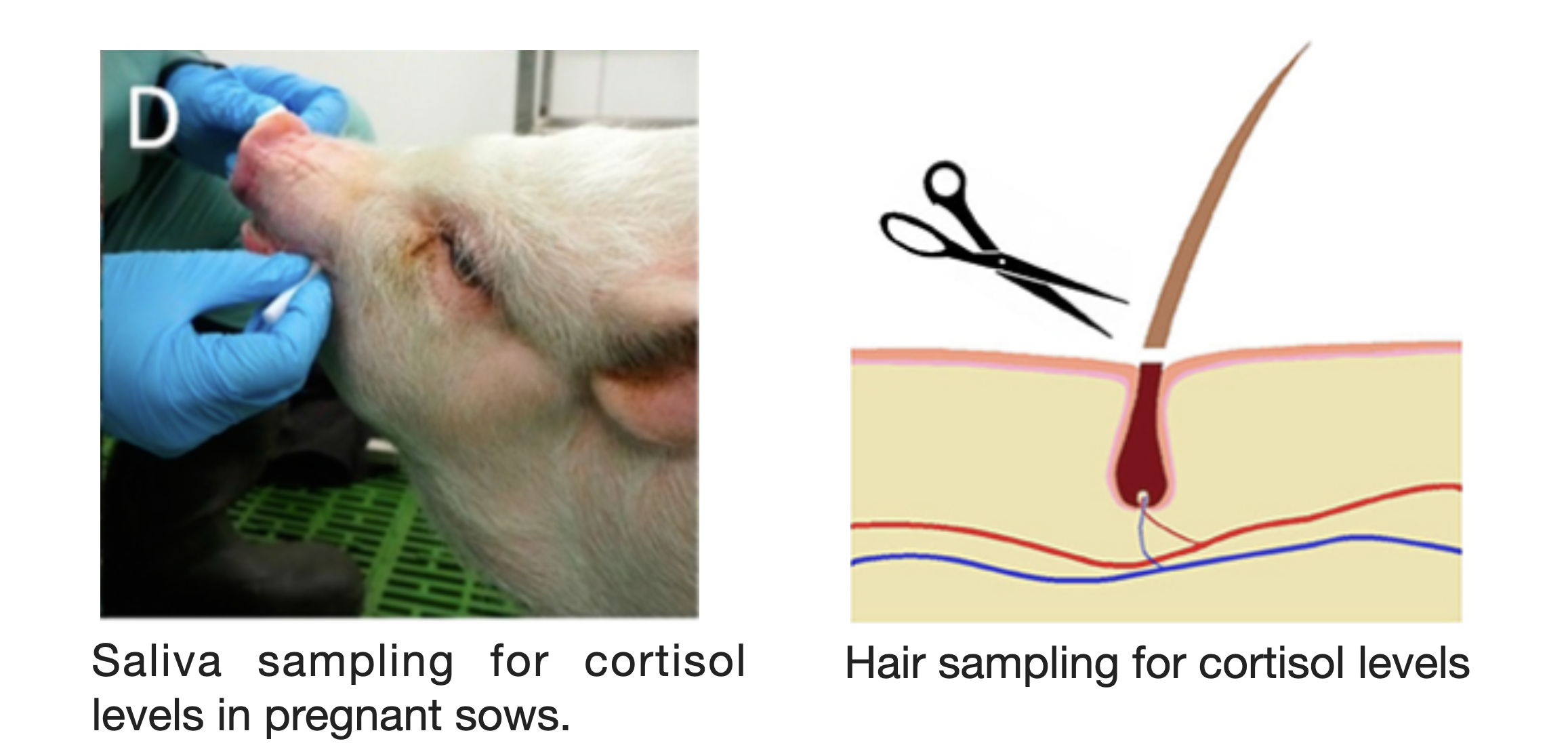
Sampling Methods
D. Results
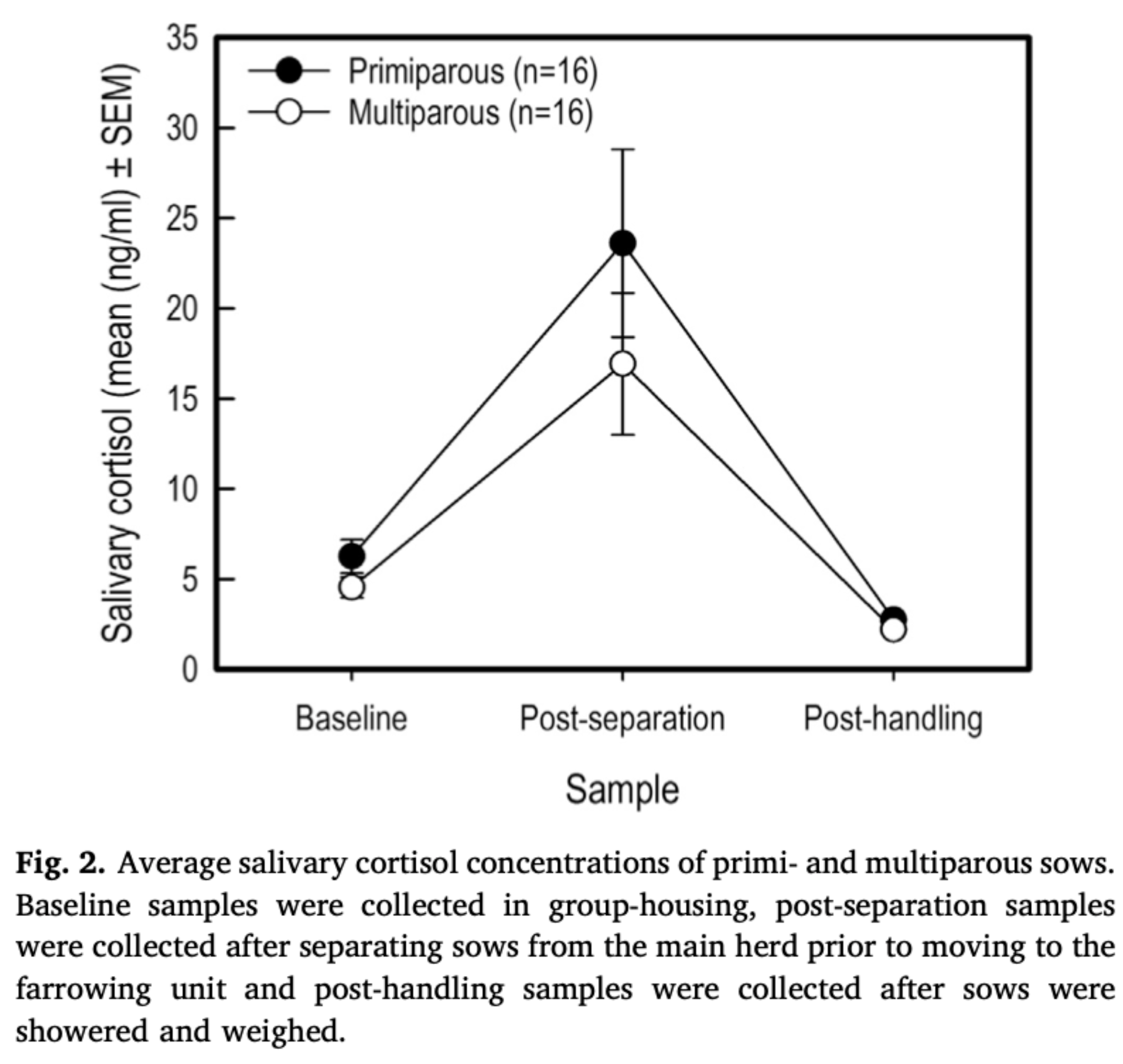
The parity effect on salivary cortisol concentration
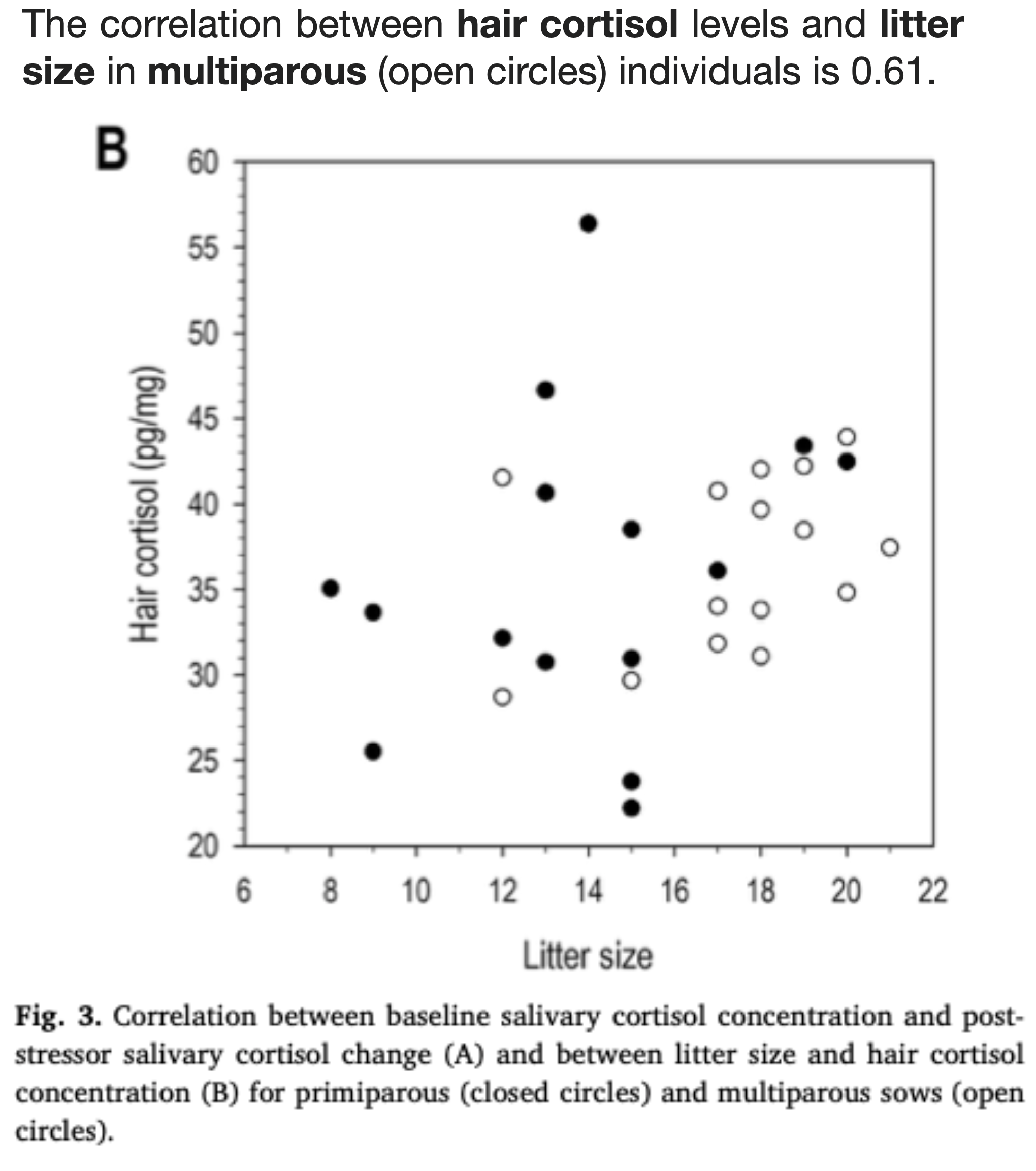
The correlation between litter size and hair cortisol concentration
E. Overview of the Dataset
Please find the dataset for sow and piglet.
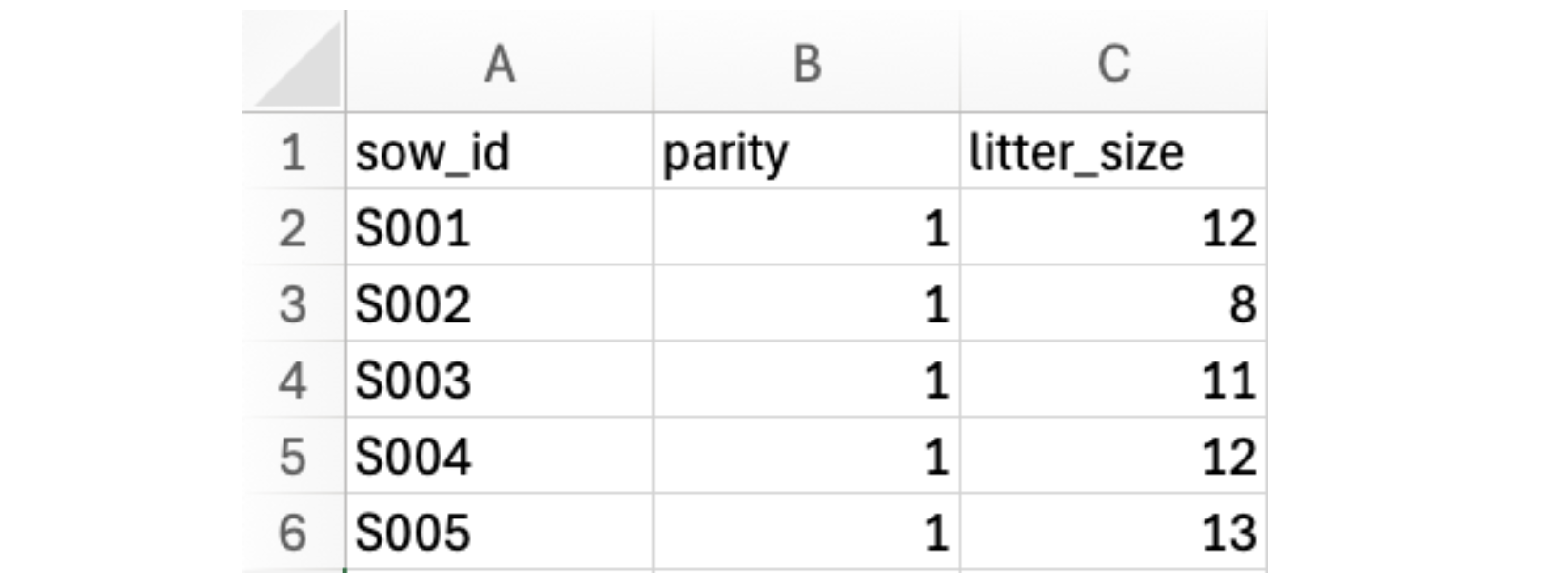
Sow information
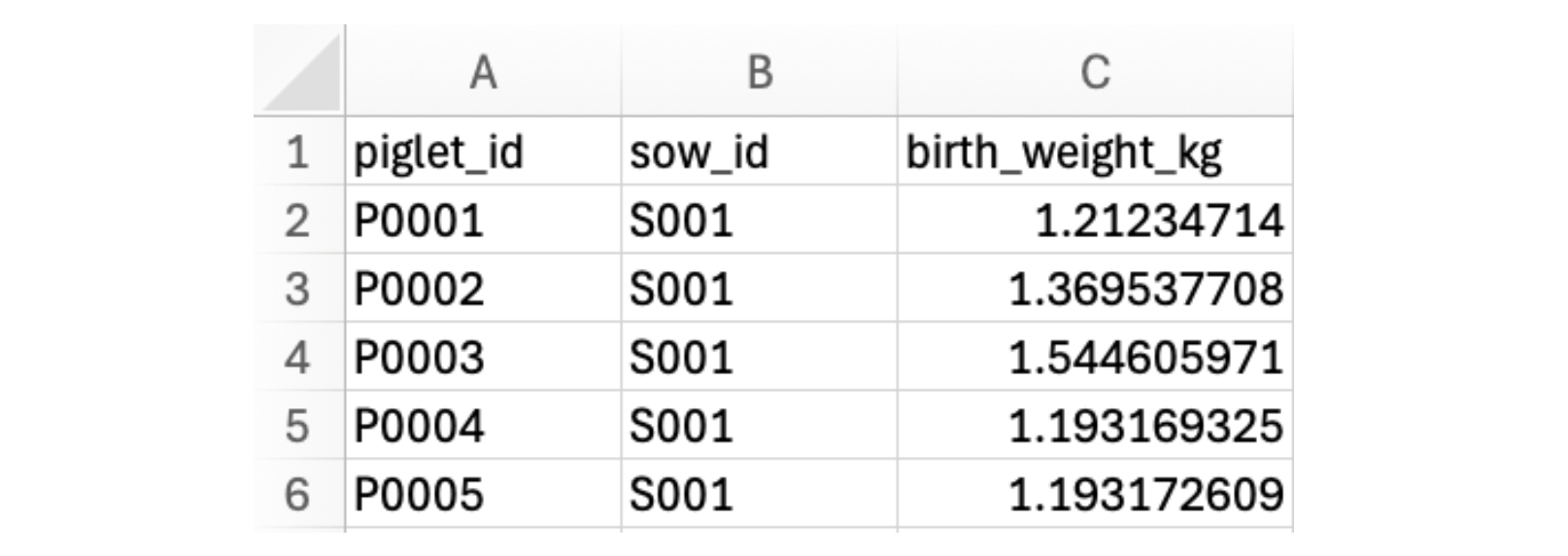
Piglet information
Exercise
Primiparous sows produced smaller litters than multiparous sows (primiparous: 13.69 ± 3.36 piglets, multiparous: 17.38 ± 2.45 piglets).
Please calculate the mean ± standard deviation (std.) of piglet birth weights for primiparous and multiparous sows.
Step-by-step instructions
- Use the XLOOKUP function to add parity information to the piglet dataset.
- In the piglet dataset, create an indicator column "parity group" to represent the parity type (either primiparous or multiparous).
- Use the parity group column as the grouping variable to create a pivot table that displays the mean and std. of piglet birth weights.
F. How is an Outlier Defined? (What Qualifies as “High” or “Low”?)
Exercise
Two additional piglets were selected as low birth weight (LBW) piglets if their birth weight was a minimum of 1 SD below the average birth weight of the study population, yielding a maximum birth weight of 1.05 kg.
Can you identify Low Birth Weight (LBW) piglets?
Step-by-step instructions
- Calculate the mean and standard deviation (SD) for the entire piglet population.
- Determine the cutoff value that separates LBW piglets from those with normal body weight.
- Create an indicator column for LBW based on the cutoff value.
- Use the table filter operation to display all LBW piglets.
Exercise
However, we did find that LBW piglets are more common in larger litters, with the proportion of LBW piglets and litter size being positively correlated. This finding is in support of previous studies reporting an increased incidence of LBW piglets in larger litters.
What is the percentage of low birth weight (LBW) piglets from each sow?
Step-by-Step Instructions
- Create a pivot table with "Sow" in the rows and "LBW Indicators" in the columns. Use the COUNT() function as the aggregation method.
- Copy and paste the values from the pivot table for further calculations.
- Calculate the ratio by dividing the number of LBW cases by the grand total.
G. References
-
Roelofs, S., L. Godding, J.R. de Haan, F.J. van der Staay, and R.E. Nordquist. 2019. Effects of parity and litter size on cortisol measures in commercially housed sows and their offspring. Physiology & Behavior 201:83–90. https://doi.org/10.1016/j.physbeh.2018.12.014.
-
Puy, S.; Giral, M.; García-Olmo, D.C. Short Immobilization in a Sling Does Not Lead to Increased Salivary Cortisol Levels in Pigs. Animals 2024, 14, 2760. https://doi.org/10.3390/ani14192760
-
Wiechers, D.-H., S. Brunner, S. Herbrandt, N. Kemper, and M. Fels. 2021. Analysis of Hair Cortisol as an Indicator of Chronic Stress in Pigs in Two Different Farrowing Systems. Front. Vet. Sci. 8. https://doi.org/10.3389/fvets.2021.605078